Intro
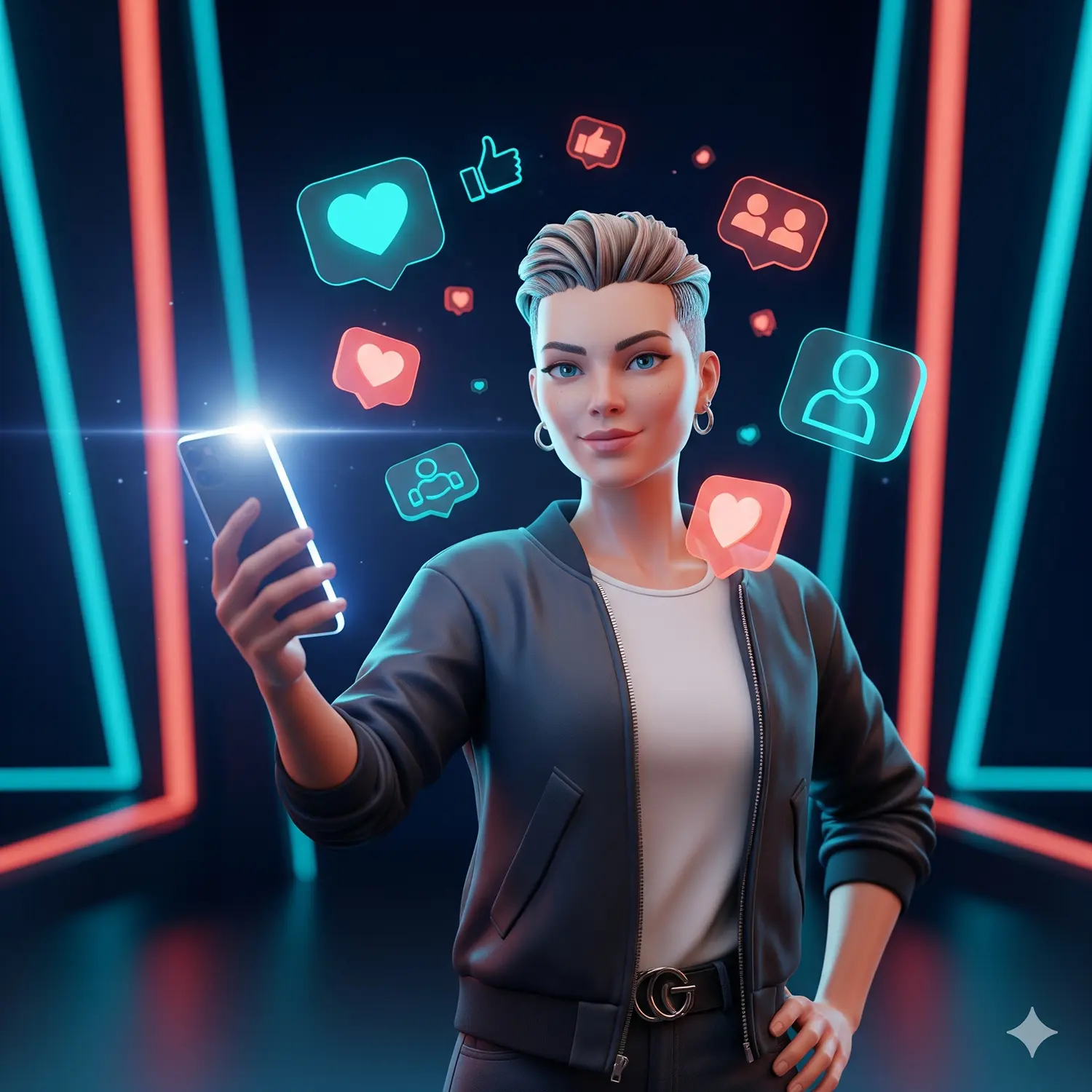
Move over human influencers — the hottest new stars on Instagram and TikTok aren’t even real people. They’re AI-generated influencers and avatars — digital personalities designed with artificial intelligence who post, engage with followers, and even collaborate with brands.
In the U.S., this trend is exploding. From hyper-realistic avatars that look almost human to anime-inspired virtual idols, AI-driven influencer culture is reshaping marketing, entertainment, and our idea of “authenticity.”
What Are AI-Generated Influencers?
AI influencers are virtual characters created with artificial intelligence tools. Unlike traditional CGI mascots, these avatars can:
- Create content (photos, videos, captions) powered by AI.
- Engage with audiences through automated replies or chatbots.
- Partner with brands for paid promotions.
- Evolve over time by learning what works and what audiences want.
Examples like Lil Miquela (a virtual model with millions of followers) started this wave, but in 2025, the tech is so advanced that many fans can’t tell who’s AI and who’s human.
Why the USA Loves AI Influencers
- Always Online
AI influencers don’t sleep, don’t age, and don’t get tired — they can churn out content 24/7. - Cost-Effective for Brands
Companies don’t need to negotiate contracts or worry about scandals — AI avatars are predictable and controllable. - Hyper-Customizable
From fashion to personality traits, brands and creators can design avatars that perfectly match target audiences. - Blurring Reality & Fantasy
Younger audiences in the U.S. (especially Gen Z and Gen Alpha) love immersive, surreal, and experimental content — AI avatars fit right in.
Challenges & Controversies
- Authenticity: Many argue that influencer culture already struggles with being “real.” AI avatars push this further into artificial territory.
- Ethics: Should audiences know when an influencer isn’t human? Is it misleading if disclosure is hidden?
- Jobs & Creativity: If brands shift budgets to AI faces, what happens to human creators?
- Bias & Representation: AI models reflect the biases of their training data. If not careful, avatars might reinforce stereotypes.
What’s Next for AI Influencers
- Interactive Virtual Stars: Expect AI influencers who chat live with fans, host virtual events, or stream gameplay.
- Personalized Micro-Influencers: AI tools could let individuals create their own influencer avatars, customized to niche audiences.
- Crossover with the Metaverse: These avatars could become central characters in VR spaces, gaming, and digital fashion.
- Regulation on Disclosure: Governments may step in to require labels when influencers are AI-generated.
Conclusion
AI-generated influencers are more than just a gimmick — they’re a sign of how technology, marketing, and entertainment are colliding in 2025. Whether you see them as exciting or unsettling, one thing is clear: the influencer game has changed forever.
Would you follow an AI influencer if you knew they weren’t real? Drop your thoughts in the comments!